
Who I am;
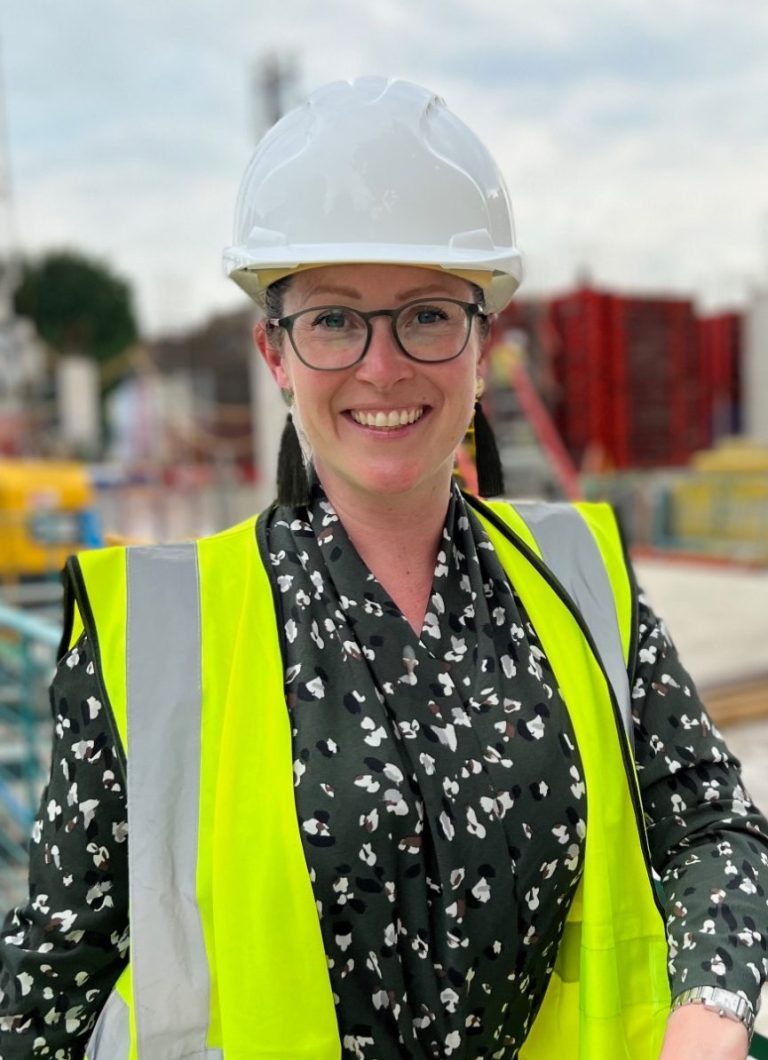
I didn't follow the traditional path through construction. I broke through it.
For more than 20 years, I have worked at the sharp end of the construction industry — on complicated buildings, demanding projects and some of the most high-profile developments in the UK and internationally.
I've been a designer, project director, consultant, business owner and strategic adviser. I've worked with architects, interior designers, contractors, clients and major construction organisations — and I've spent my career operating in the spaces between them.
I've also been an outlier.
I've broken through ceilings that weren't necessarily designed to be broken. I've taken on roles and projects where I wasn't the obvious choice, operated at levels where women weren't always well represented, and repeatedly found myself being asked to solve problems that sat outside the conventional boundaries of my role.
That has taught me something incredibly valuable:
The construction industry has enormous gaps between what clients need, what contractors deliver and what designers are capable of providing.

And I've seen those gaps from the inside.
I have been paid by construction companies with billion-pound turnovers to step into difficult situations and smooth over the consequences of those gaps — bringing clarity, competence, communication and strategic thinking to projects where the industry had failed to provide them.
I've seen what happens when a designer is technically brilliant but doesn't understand the commercial environment around them.
I've also seen the opposite.
I've seen how much value a competent, curious and passionate architect or interior designer can create when they understand how the wider construction ecosystem works — what clients actually need, where projects go wrong, what contractors struggle with, and where their own expertise can make a significant difference.
And that value can be worth considerably more than the fee they are currently being paid.
That's the opportunity behind Design Leverage.
I'm not here to teach architects and designers how to design.
I'm here to show them what they may be missing.
How to recognise opportunities that are already sitting within their projects and relationships.
How to move beyond the limitations of a traditional appointment.
How to become more useful to clients and construction teams — and therefore more valuable.
How to extend relationships, increase scope and create longer-term income without simply working more hours.
And, perhaps most importantly, how to stop thinking of themselves as one small part of a construction project and start recognising the leverage they already possess.
I know this because I've spent two decades on the other side of the table.
I've seen where the industry fails.
I've been brought in to fix it.
And I know that many of those problems could be solved earlier, better and more profitably by the very architects and designers who are already closest to them.
Design Leverage exists to help them see that opportunity — and have the confidence and commercial understanding to act on it.